
One question construction companies may commonly ask is: ‘What can be done on the construction site’s web presence to increase the number of visitors and conversions?’ The truth is, in the modern tech-savvy world, a construction site’s web presence is not just about looking nice – it is about helping visitors move through the site in a smooth and effortless manner, and answering the visitors’ questions in a clear and effective manner.
A website is like having a virtual site manager that greets and shows visitors around and helps in deciding on the next course of action. Therefore, achieving results is the natural outcome of this combination coming together well. Any website can benefit from this through this effective and easy-to-implement technique mentioned in this article.
“A well-constructed website, like a solid foundation, supports growth for many years.”
Why Optimising a Construction Website Matters Today
Optimisation of a construction website for more traffic and conversions means assurance that your online presence works as hard as your on-site teams. Most people nowadays research contractors online before contacting them. Websites have to speak to that trust, expertise, and clarity immediately because of this shift.
Moreover, search engines encourage websites that offer useful and easy-to-navigate content. When they see increased engagement, they reward websites by promoting their pages through their ranking algorithms. Therefore, the process of optimising is no longer optional but mandatory.
Furthermore, a website prevents confusion. It makes people easily access services, comprehend procedures, and feel comfortable getting in touch. This comfort has a direct impact on conversion rates and business credibility.
Read: Enhancing Patient Care with EMR Software: Real-Time Medical Reports for Smarter Healthcare
Designing the Website for Enhanced User Experience
Constructing an optimised website for construction businesses is a process that requires keeping things simple. A visitor should be able to comprehend your construction services in seconds. This makes menu organisation, headings, and structures extremely important.
Use descriptive navigation terms rather than generic phrases. So, “Residential Projects” is an appropriate description for “What We Do.” Additionally, including the options to reach you helps the user reach you without struggling.
Moreover, it will make the site more usable and SEO-friendly. For example, someone can click on a service page and view a project page related to that service.
Optimisation of Page Speed for Performance on Construction Websites
Optimising construction websites for page speed can significantly improve search engine rankings and overall user satisfaction. This is because websites with slow loading speeds can deter visitors, especially when viewed on mobile phones.
Large images can be the reason for slowing down. Hence, compress the images without reducing their quality. In addition, avoid unnecessary scripts. Use modern formats as much as possible.
There is nothing like an optimised website when it comes to sending out the message of professionalism. A smooth-running webpage helps visitors feel confident enough to explore further. As a result, the rates drop.
Optimising Content Quality for Construction Audiences
Maximising content quality for the construction sector simply involves being clear, open, and informative. There is no need to use any form of selling tone.
Answer frequent questions openly. For instance, you may explain how timelines are determined, safety strategies, and planning stages.
In addition, it’s important to use short paragraphs, as well as easy-to-read sections. Even when working on the sentence level, aim for brevity, although clarity can be compromised for the sake of flow. This information has to feel like a conversation.
“Clear content builds confidence long before the first call.”
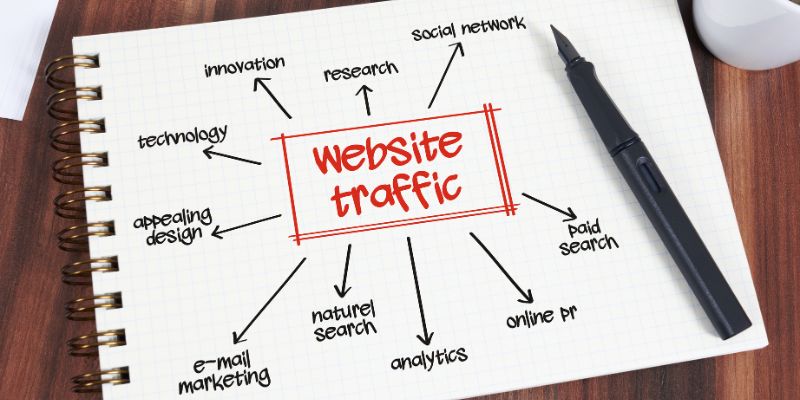
Optimising On-Page SEO for Construction Websites
While optimising the SEO on a construction-related website, one needs to strategically use keywords, headings, and structured data. It’s necessary that each web page addresses one topic and answers all its relevant questions.
Add descriptive headings that provide an orderly flow of information to readers. Also, develop meta titles and descriptions that summarise the importance of the page. Such minor issues play a major role in click-through rates.
Besides, schema markup can improve how search engines comprehend information for a business’s services, geographical location, and reviews.
Optimising as per Mobile Experience for Website
Optimising is very important for construction websites since most visitors view the pages on their cell phones when they visit the site or when they are travelling.
Buttons must be easy to press, text must be readable, and graphics must resize on their own. Mobile users are quick to leave when they face difficulties.
Therefore, you must check your website on various screen sizes. An efficient mobile experience can translate into quick decision-making and higher enquiry rates.
Visual Elements for Construction Optimisation Credibility
Optimising visual elements for construction credibility requires the use of real images of construction projects, simplicity of layout, and a consistent brand image.
Using real images of construction projects can promote construction credibility more than using commercial images.
You can add captions for project challenges and solutions. This type of storytelling method helps the visitors understand your practical knowledge. In this process, the reader can find out the challenges
images, nevertheless, must serve the content, not the other way around. A well-designed layout enhances concentration and helps visitors explore your website extensively.
Optimising Conversion Paths Without Being Promotional
Conversion paths without being promotion-oriented involve nudging users with a gentle direction. “Request Information” and “View Project Details” are good examples for call-to-actions as opposed to push notifications.
Position contact forms effectively, but make them simple too. If a form asks fewer questions, people will want to fill it out.
As well, having trust elements such as certification, safety, or testimonials from clients will reassure the user. As soon as trust goes up, conversions become easier.
Optimisation for Local Relevance via Geographic Signals
Optimise service locality through geographic markers to enable search engines to link your services to potential locality residents. Use service catchment areas in content headers.
Utilise precise location information and harmonise business details. Doing this increases visibility in location-based search.
But do not opt for keyword stuffing. Regional pointers should ‘feel informative—not forced.’
Optimising Analytics for Continuous Website Improvement
Optimally analysing analytics can help in continuous improvements on websites and make way for data-driven decisions. Traffic reports and behaviours on the websites showcase what is working and what needs improvements.
Be monitoring page performance, bounce rate, and user paths. With an understanding of visitor behaviour, optimisation becomes even more accurate.
“Regular reviews will keep your website abreast of changes in user expectations as well as technological advancements.”

Optimising Trust through Transparency and Compliance
It is important to ensure that trust is optimised through transparency and compliance to increase trust and assistance. Make all the relevant details such as licences, safety measures,
Processes can be described honestly, even when limitations occur. By being straightforward, the risk of misunderstandings can be eliminated,
Both search engines and consumers value honesty. Eventually, trust will be your greatest conversion engine.
Conclusion
Optimising an example construction website is an ongoing concern – it is never finished. When all parameters come together, the results will increase.
A properly maintained website is an indicator of professionalism and reliability. Through focus on clarity and not mere promotion, businesses can effectively entice smart and confident customers.
Ultimately, well-considered optimization results in digitally formed foundations as robust as physical foundations.
If they are implemented on a consistent basis, these methods will assist even construction companies in St Louis in improving their visibility, driving relevant traffic, and providing good decision-making experiences.
Author’s Bio:
Nicole Kidman is a professional content writer specialising in clear, research-driven articles for the construction and home improvement sector. Their writing focuses on usability, transparency, and digital best practices, helping construction companies in St Louis improve online visibility and user trust.